
Heraclitus once said that “the only constant is change,” a phrase that also applies to society’s ways of living. Coliving and Build-to-Rent (BTR) are new trends in housing access that are generating a lot of discussion due to their disruptive nature and the doubts surrounding their future prospects.
If you’re not yet familiar with the concept, coliving is an alternative housing option, primarily for young people, where individuals rent a room—almost always with a private bathroom—in a building that features shared spaces and amenities for all tenants.
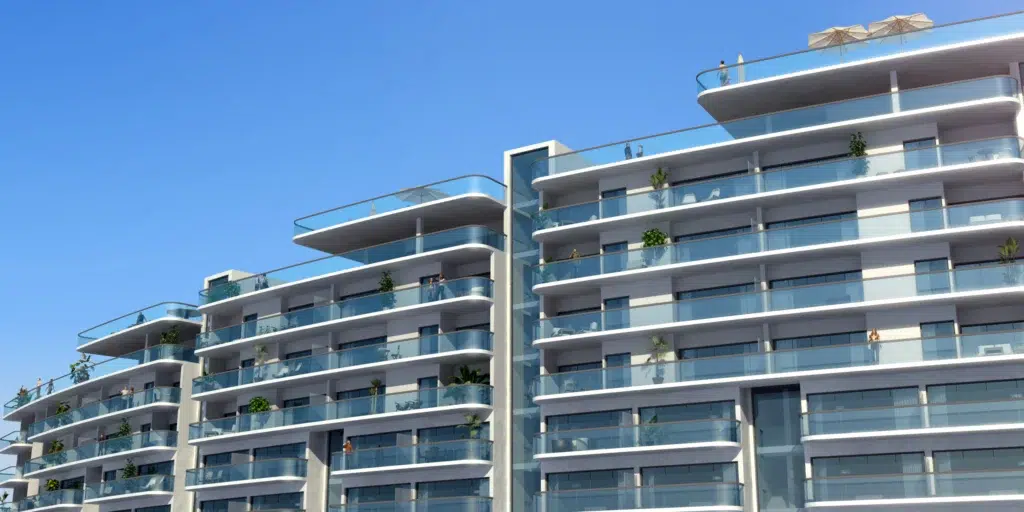
This community-based residential model originated in San Francisco and has spread to Spain in recent years, primarily in major cities. Unlike cohousing or the traditional concept of “roommates,” in coliving, residents typically share common interests and tastes, fostering personal and professional growth through shared spaces.
Meanwhile, Build-to-Rent (BTR) is a new real estate investment strategy with two main advantages: it facilitates access to housing for those who cannot buy, and it offers an alternative to those who prefer to rent a property with more amenities than what they could afford to own.
The strong demand for rentals in recent years has led to this model taking hold in Spain.
Architecture, serving the demands of the market
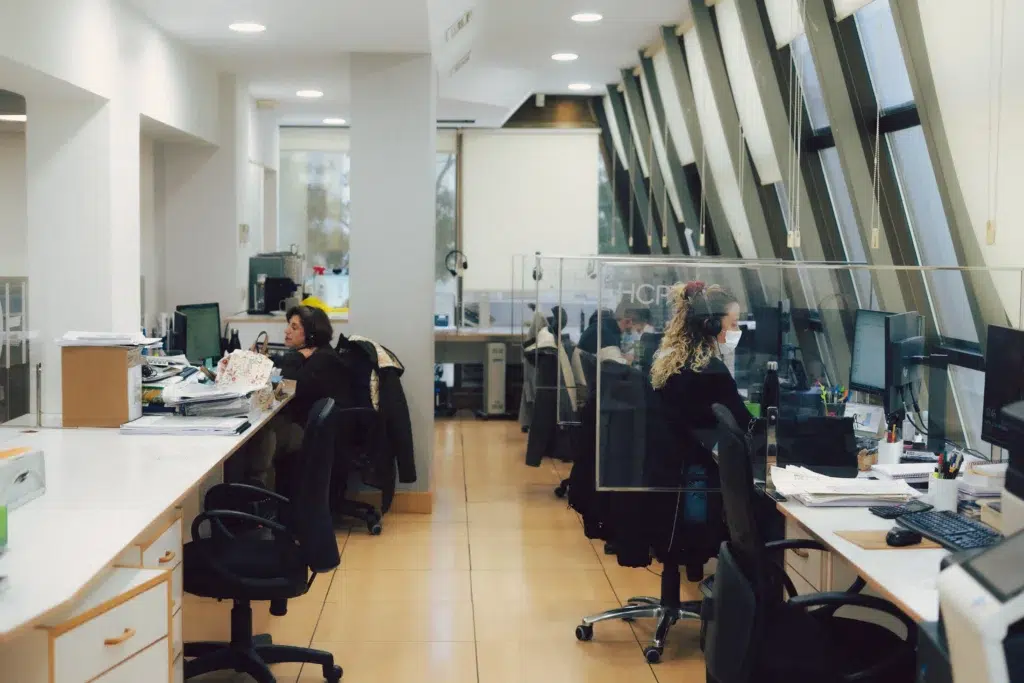
At HCP, we see these trends as a new and emerging market demand. We believe that, as an architecture firm, our mission is to adapt to people’s changing needs.
We live in an era of major technological change, which inevitably brings about new ways of conceiving interpersonal relationships and the concept of housing.
Job mobility, remote work, and the demand for flexibility are increasingly sought after by young people, who do not envision their future tied to a specific location or individual property.
Our role as an architecture firm is to meet those needs and adapt to social changes.
The collective over the individual
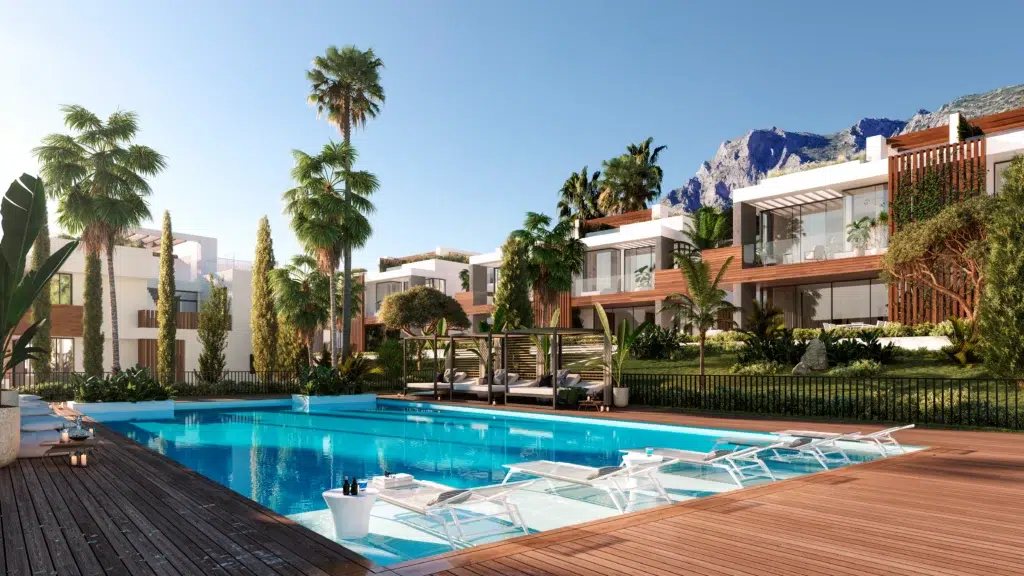
As an architecture firm, our focus is increasingly on prioritizing common spaces and the comfort they provide.
Knowing that people who choose coliving spend more time in these areas than in their private spaces, we create areas that invite people to linger.
To achieve this, we use top-quality materials and colors and shapes that are in harmony with the surrounding natural environment.
On the other hand, it is a reality that the future of architecture will be sustainable or it will not be at all. Furthermore, young people are increasingly aware of the importance of living in harmony with the environment.
Read here about the new European Commission headquarters in Seville, where we participated as a local firm.